Why Edmonton Beyond the lab: scaling Edmonton’s Life Sciences sector

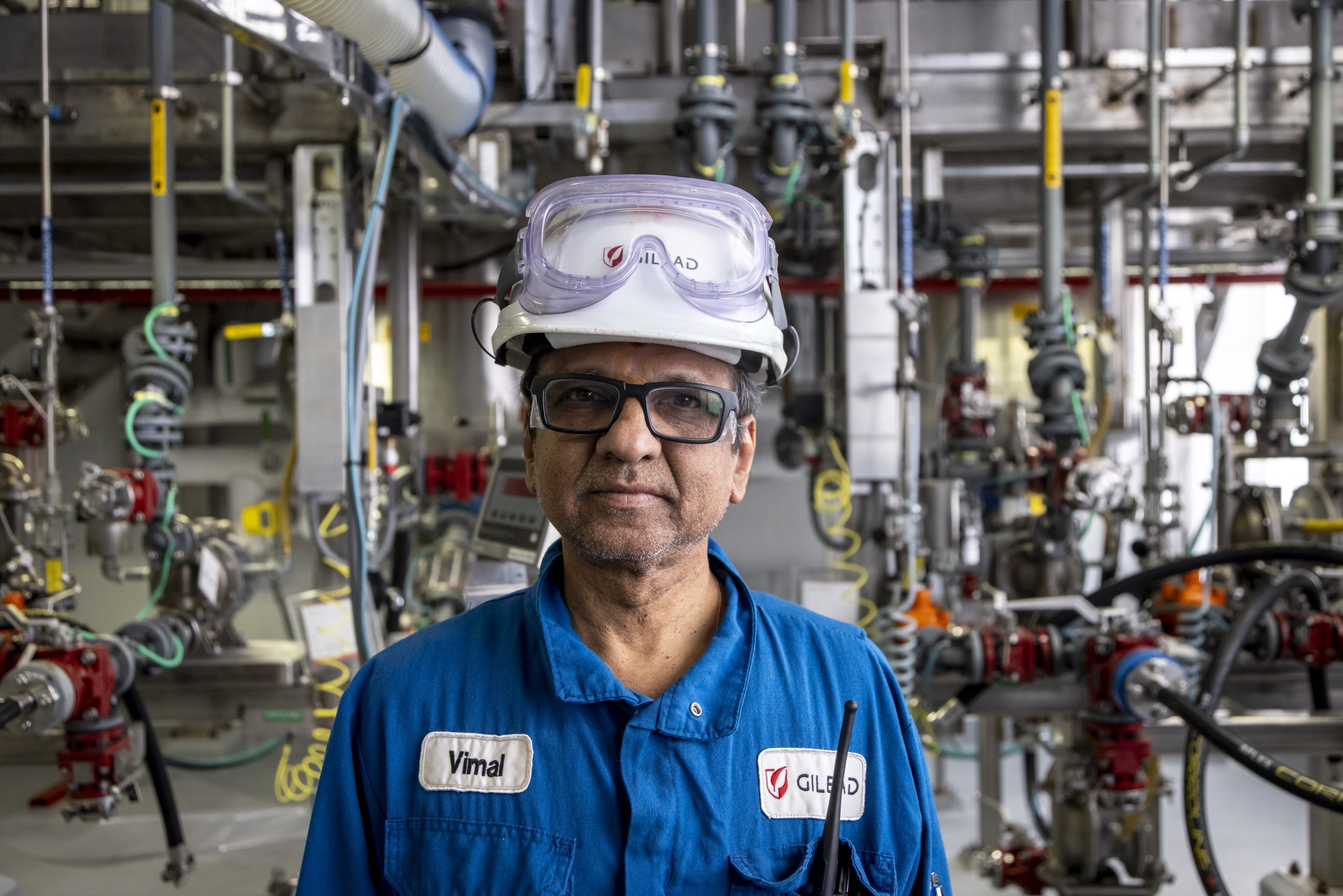
A Gilead Alberta staff member wearing Personal Protective Equipment with complex machinery in the background

Behind some of the medications we rely on, there is a growing research, manufacturing and innovation sector, improving our lives every day. Edmonton is home to numerous companies developing new medical treatments, advancing technologies and producing pharmaceutical products, and the impacts of this are being felt far beyond the city limits. 

In Edmonton’s growing life sciences sector, companies like Applied Pharmaceutical Innovation and Gilead Alberta are part of that story. Their work highlights how the sector is contributing to an industry that improves lives, supports economic growth and builds local expertise.
The space for life sciences to grow

Applied Pharmaceutical Innovation (API) is one of Canada’s largest non-profit life sciences commercialization organizations. API provides the services and capabilities for life science innovators to turn ideas from a small-scale discovery to a successful commercial launch across pharmaceuticals, biologics, medical devices, diagnostics, natural health products and health technologies. API supports every step of the process, from research and development to helping navigate regulatory requirements and preparing for trials, as well as providing office and lab incubation space for startups to grow.

“The life sciences sector saves lives, and I’m a firm believer that Edmonton can play a big role in this global industry that impacts millions of people,” says Andrew MacIsaac, CEO, API.

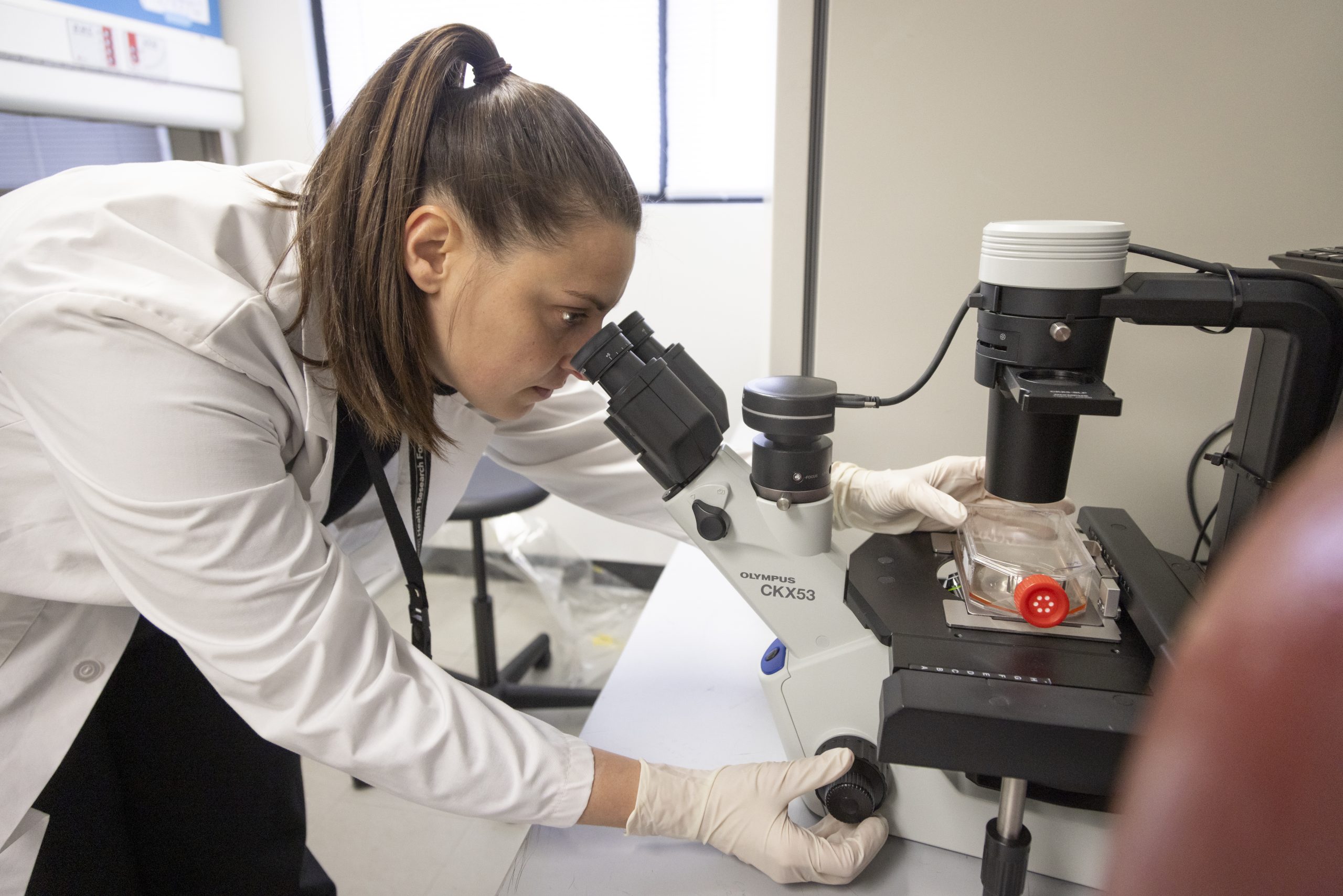
An API staff member looking into a microscope

Continued growth in the life sciences sector requires the right infrastructure to support the development and production of these life-saving innovations. API’s Critical Medicines Production Centre is an 83,000+ square-foot manufacturing facility, designed for large-scale pharmaceutical manufacturing, currently under construction in the Life Sciences Campus of the Edmonton Research Park. When it opens later next year, the facility will give companies access to specialized manufacturing capabilities without needing their own facilities. During regular operations, the centre will produce tens of millions of product units.

“We really see manufacturing and sciences here in Edmonton as being a big support to the country as a whole,” MacIsaac says. 

Facilities like the Critical Medicines Production Centre strengthen Canada’s domestic manufacturing capabilities. On a local scale, these facilities contribute to Edmonton’s economic growth by encouraging new investments and creating opportunities for skilled workers.

Science with a global reach

Edmonton’s life science ecosystem is already home to companies with global impact.

For over 20 years Gilead Alberta has operated in Edmonton, managing early-stage development of both manufacturing processes and analytical methods for small molecules that provide active ingredients for Gilead’s worldwide research programs. The team can work on as many as 40 to 50 processes a year in therapeutic areas such as Virology, Oncology and Inflammation.

Gilead’s work is reaching patients around the world. The team helped in the development of Lenacapavir, a twice a year medicine used to prevent HIV transmission. The company also produced the small molecule component of Trodelvy, a treatment for metastatic triple-negative breast cancer. 

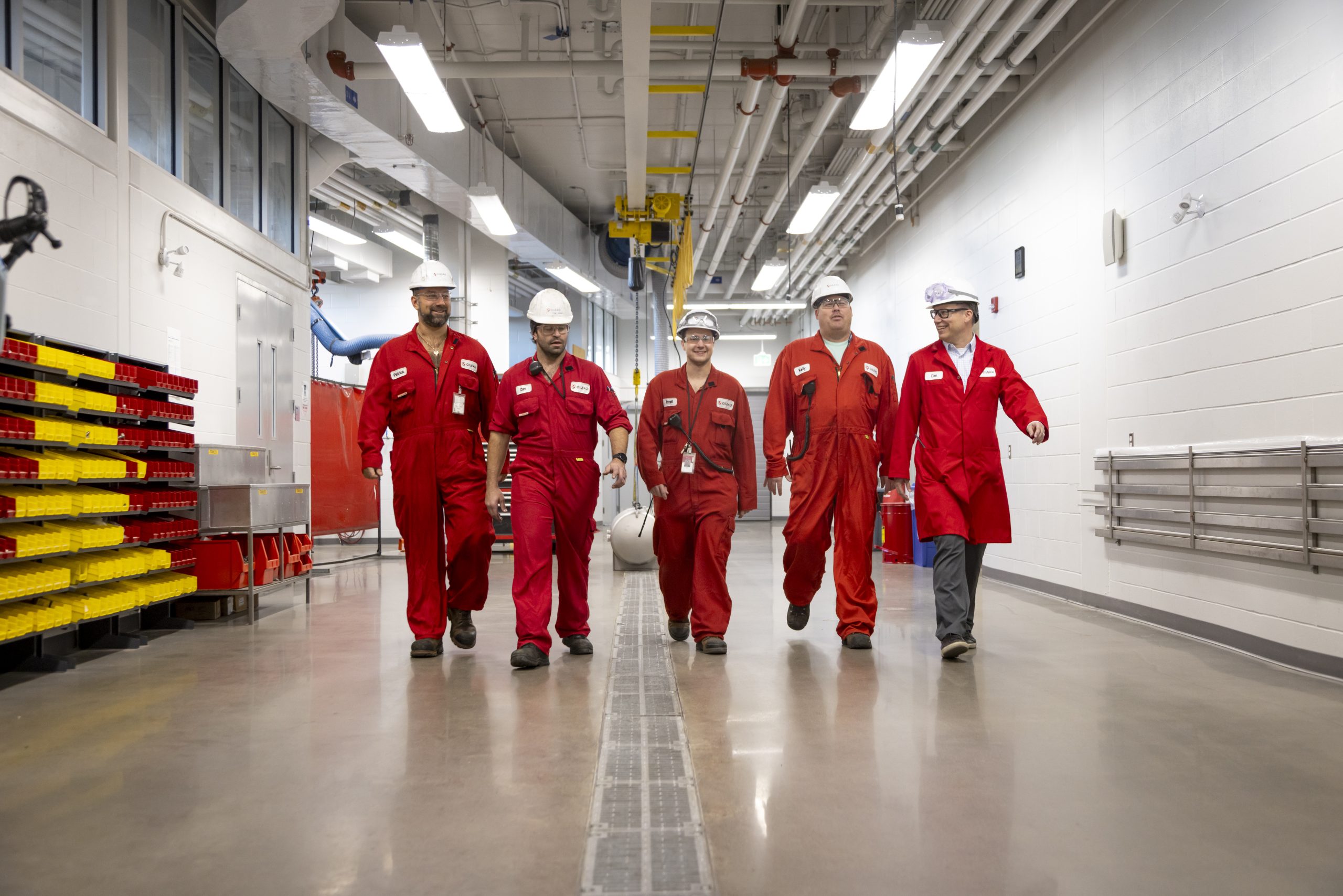
Five team members walking down a large industrial hallway in red jumpsuits and white hard hats.

“It’s meaningful to see how Gilead medications have impacted lives, and there isn’t a person here who is not humbled by that impact,” says Greg Klak, GM/Vice President of Operations, Gilead Alberta.

With approximately 370 employees, Gilead is part of a growing community of skilled life science professionals who have the opportunity to build their careers right here in Edmonton. As more organizations like Gilead establish themselves here, they help create the environment and infrastructure that attracts talented people with the skills and experience the life sciences sector needs. 

“It’s great that people who are interested in pharmaceutical research and development have options in this city. Local graduates no longer have to leave Edmonton to work in this field, and the more this sector expands, the easier it is for talent and the industry to establish a footprint,” Klak says.